Fixing Together, Living Better

Join a warm, practical celebration of community resourcefulness as we shine a spotlight on community repair cafés across the United Kingdom. Neighbours, volunteers, and curious first-timers gather in libraries, church halls, and community centres to revive toasters, hem treasured coats, diagnose gadgets, and share tea-fuelled stories. Discover how these welcoming events cut waste, build confidence, and strengthen local ties, with guidance, real examples, and friendly tips for starting, visiting, or volunteering at the next gathering near you.

From Broken to Beloved

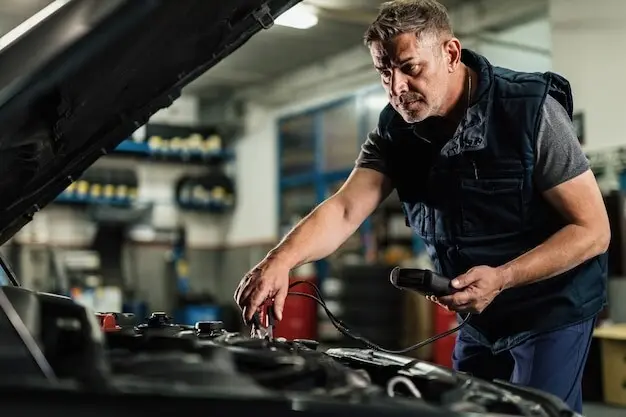
Step inside a typical Saturday repair session and feel the hum of purposeful kindness. A greeter smiles, a triage table calmly assesses each item, and the donation tin nestles beside a plate of biscuits. Experienced fixers collaborate rather than compete, explaining each step as hands learn. When an appliance buzzes back to life, quiet applause meets relieved laughter. Even when fixes prove elusive, people leave with knowledge, options, and a renewed sense that things—and communities—are worth caring for.

Hosting Your First Gathering

Launching an event is easier than it looks when you start small, listen well, and plan ahead. Choose an accessible venue with good lighting, plenty of sockets, sturdy tables, and somewhere to brew tea. Adopt simple forms for intake and safety, assign roles clearly, and encourage shadow shifts for new volunteers. Donations in a transparent jar, clear signage, and a quiet corner for reflection keep energy kind. Celebrate experiments, thank helpers, and refine everything after each joyful attempt.

Finding the Right Space

Community centres, libraries, and church halls often offer affordable, welcoming rooms with insurance options and friendly caretakers. Prioritise step-free access, nearby toilets, sensible acoustics, and room for prams and mobility aids. Good ventilation helps with soldering, and stable power matters for testing. Arrange tables to group skills while preserving conversation. A simple hospitality table invites connection, ensures volunteers snack, and subtly communicates that care, comfort, and safety are tangible, not abstract ideals.

Volunteers and Roles

Great teams blend listening with know-how. Appoint a coordinator to hold the overview, a safety lead for calm decisions, a welcoming host, and fixers who enjoy teaching. Add a storyteller to collect quotes and photos with consent, plus a data helper to log outcomes. Encourage pairing mentors with newcomers, providing light training and post-event debriefs. Honour boundaries, pace, and time; celebrate small improvements; and remember that kindness, reliability, and humour are irreplacable community skills.

Tools, Spares, and Money Matters

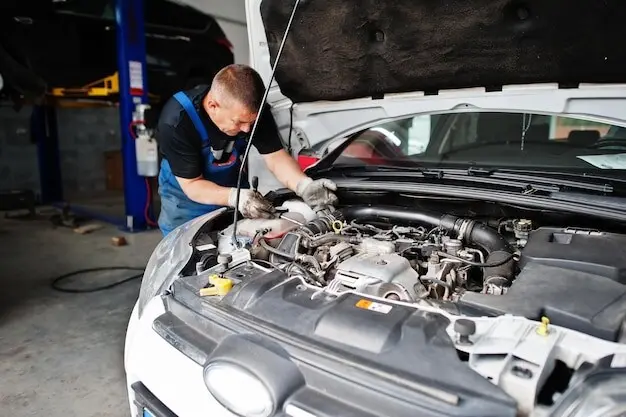
Start with essentials: screwdrivers, pliers, multimeters, sewing machines, needles, darning mushrooms, bike toolkits, and a safe soldering setup. Keep consumables like fuses, thread, glues, and spare leads organised and labelled. Use a simple float for incidental purchases and display a QR code for donations. Track parts that visitors might buy later, offering links or notes. Transparent expenses and shared inventories encourage trust, prevent burnout, and help libraries and partner groups contribute strategically over time.

Stories From the Workbench

Real moments make the mission sing. Across the United Kingdom, a kettle rescued before a family breakfast, a pram tightened for a first park stroll, or a phone revived for urgent job applications turn technical know-how into everyday dignity. These stories remind us why repair matters: not only for landfill diversion, but for relief, continuity, and pride. Tell yours, listen to others, and watch curiosity ripple outward as neighbours become co-creators in shared resilience.

01

The Four-Slice Toaster That Returned to Morning Duty

A retired technician guided a nervous owner through opening a charred casing, discovering a simple thermal cutoff failure hidden by crumbs. Together they cleaned contacts, replaced a tiny component sourced locally, and checked insulation resistance. When the lever clicked and coils glowed, cheers rose by the biscuit tin. The owner promised to send a first slice photo the next day, proving that small wins can carry an entire household’s morning routine forward.

02

A Stubborn Smartphone With Precious Photos

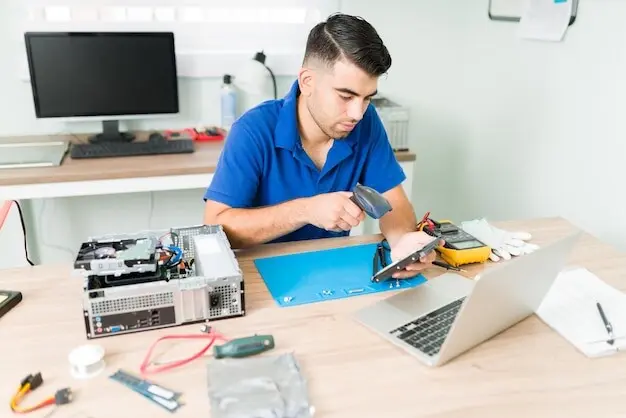
A cracked screen concealed a loose battery connector, and the charging port was wobbly from daily strain. Patient explanation turned panic into method: triage, backup attempt, careful disassembly, and connector reseat using magnification. The phone sprang to life, revealing baby photos nobody had seen in months. Volunteers showed how to enable automatic backups and fit a better case. The owner donated generously, then signed up to shadow at the next event, paying wisdom forward.

03

An Heirloom Coat That Outlived Fast Fashion

A wool coat from a grandmother’s youth had moth nibbles and a torn lining. A volunteer taught invisible darning and demonstrated bias binding, turning damage into delicate texture. Stories of dances and train journeys surfaced while stitches landed steadily. When the coat was lifted from the machine, its owner hugged everyone within reach. Wearable history, now strengthened, would cross another winter. A quick tutorial sheet travelled home in the pocket, ready for future care.

Diagnostics First, Tools Second

Start with symptoms, context, and history: when the fault began, what changed recently, and any unusual smells or noises. Use senses before screwdrivers. Map likely causes, test simplest hypotheses, and record steps to avoid loops. Only then choose tools deliberately. This mindset prevents damage, saves time, and turns mysterious failures into solvable puzzles, transforming owners from anxious onlookers into co-investigators who leave equipped to notice, maintain, and confidently troubleshoot everyday household companions.

Teaching While Fixing

Explain what you are doing and why, narrating each choice in plain language. Hand the tool over whenever safe, inviting the owner to feel a screw bite, a zipper glide, or a chain seat correctly. Celebrate good questions. Offer take-home notes with care tips and part numbers. Learning sticks when curiosity meets gentle practice, so design the bench for shared visibility, keep jargon optional, and treat every repair as a miniature workshop open to everyone.

Repair for People and Planet

Beyond saved money and happy gadgets, repair strengthens local resilience, reduces waste, and preserves embodied carbon hidden in everyday objects. The United Kingdom’s move toward easier access to spare parts for certain appliances encourages longevity, but community knowledge still matters most. Cafés bridge gaps between design and daily life, keeping products useful longer. The result is practical climate action you can feel, measured in stories, diverted waste, confident hands, and neighbours who greet each other by name.

Grow the Movement

Great gatherings deserve great storytelling. Share repair wins online with consent, pitch uplifting human-interest pieces to local media, and align events with national awareness weeks or community festivals. Join networks that swap playbooks and troubleshoot barriers. A consistent schedule builds habits; a clear sign-up page reduces queues; and a welcoming tone converts curiosity into participation. Invite readers to subscribe, volunteer, donate tools, or bring a broken item next time, turning applause into lasting, local action.
Telikavisavituno
Privacy Overview

This website uses cookies so that we can provide you with the best user experience possible. Cookie information is stored in your browser and performs functions such as recognising you when you return to our website and helping our team to understand which sections of the website you find most interesting and useful.