
People Power for Repair: Growing and Training Volunteers across the UK


Mapping the Volunteer Journey from First Curiosity to Confident Fixer
Outreach That Finds New Hands and Hearts Across the UK
Safety, Inclusion, and Confidence for Welcoming Spaces
Creating a Warm Welcome for Every Visitor
Start with signage that explains how sessions work, friendly greeters, and seating that feels inclusive. Offer tea, pronounce names carefully, and provide pronoun stickers if appropriate. Include a quiet space for those who need it. Translate essential instructions where possible. A culture of patience and plain language helps newcomers feel respected and safe to learn.
Health, Safety, and Insurance Made Practical
Adopt simple risk assessments, test leads and tools, and keep a tidy bench. Encourage a second pair of eyes on live electrical work, and document incident responses. Check venue and public liability insurance terms, and clarify maker-versus-advisor roles. Regular safety briefings, even five minutes long, prevent complacency and keep confidence high without dampening enthusiasm.
When to Consider DBS Checks and Clear Boundaries
Not every role requires a DBS check, but roles working closely with children or vulnerable adults might. Seek local guidance if unsure, and publish clear boundaries about supervision and consent. Provide a simple code of conduct and a safeguarding lead contact. Volunteers relax when they know the right channels for care and escalation exist and are respected.
Training That Builds Real Repair Power, Step by Step
Buddying and Shadow Shifts That Accelerate Learning
Short Workshops and Microlearning That Stick
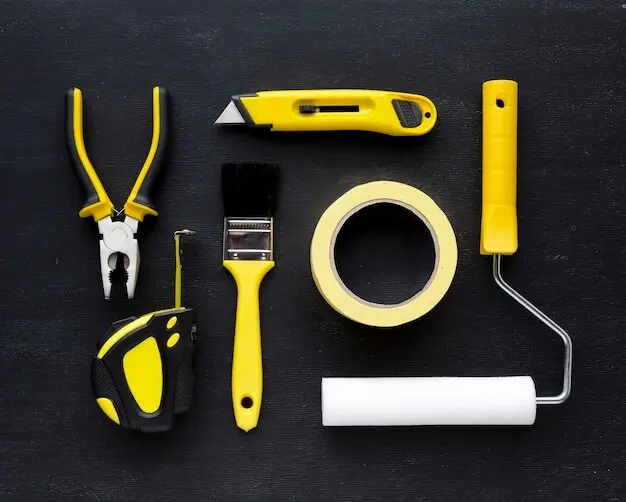
Essential Kits and Shared Inventories

Workstations, Signage, and Queue Management

Waste, Parts, and End-of-Life Decisions
Retention, Recognition, and Growing Local Leaders
All Rights Reserved.