
Fix It, Grow Bold: Youth Repair Clubs Energising UK Schools
From Broken to Brilliant: Why Repair Belongs in Classrooms

Starting a School Repair Club Without the Overwhelm
Finding Allies, Spaces, and Rhythms
Look for a workshop, art room, library nook, or even a mobile trolley setup that can appear and disappear quickly. Partner with caretakers, technicians, and department leads to coordinate access and tidiness. Choose a consistent time, like lunchtime mid‑week or an after‑school slot. Publish a short code of conduct that celebrates kindness, patience, and teamwork, helping newcomers feel immediately welcome while setting a calm, purposeful rhythm for shared discovery.
Sourcing Tools, Materials, and Donated Items
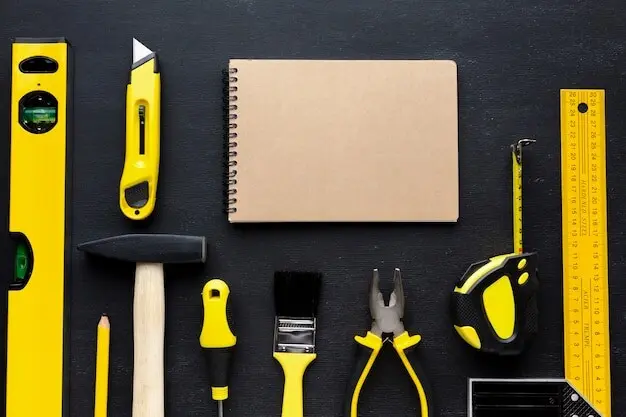
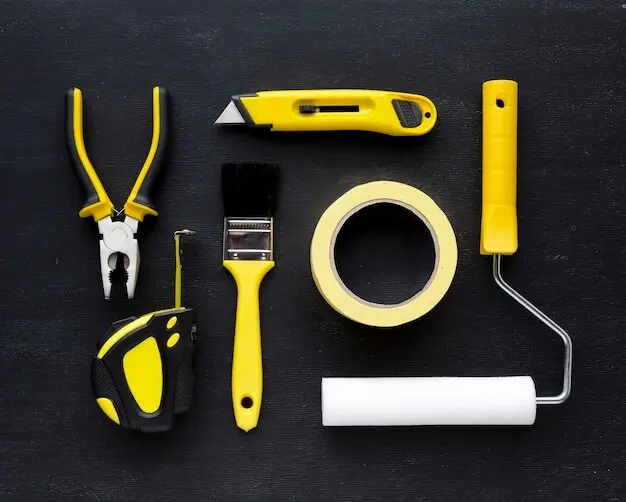
Start with essential hand tools, safe soldering stations where appropriate, basic sewing kits, and a small stock of commonly used parts like fuses, resistors, buttons, and zips. Invite families to donate broken items, fabric scraps, or surplus hardware. Local repair groups and businesses often gift second‑hand equipment. Keep a labelled inventory and a wish list. Small grants, PTA funds, or community micro‑budgets can cover consumables without creating administrative headaches for already busy staff.
Risk, Consent, and Clear Boundaries
Establish parental consent, sign‑off for photographs, and guidelines around ownership and data on smart devices. Use simple risk assessments for each activity, with escalation steps for electrical items. Clarify what the club can and cannot touch, and agree on a standard disclaimer that encourages learning over guaranteed outcomes. This transparency reassures leadership, protects volunteers, and keeps the focus on skills, curiosity, and safe exploration rather than on pressure to deliver perfect, transactional results.
The Repair Café Ethos in School Settings

Stories from UK Halls, Libraries, and Workshops
Measuring Impact and Keeping Momentum Alive
Get Involved: Connect, Mentor, and Share Your Fixes
{{SECTION_SUBTITLE}}
Subscribe and Tell Us What You’re Fixing
Become a Mentor or Local Ally
All Rights Reserved.